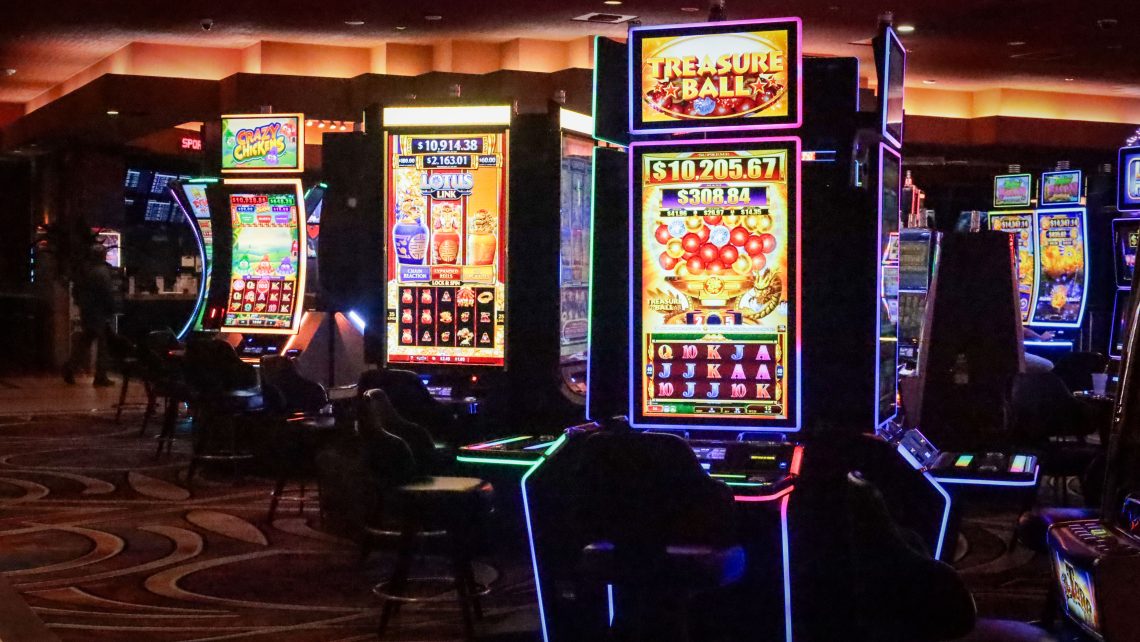
Interactive entertainment continues to shift toward tailored control and gentle guidance for each user. Pokies create spaces where personal choice shapes pacing, while built-in logic adjusts patterns quietly. Systems study habits, then tune visuals and sound, and reward timing for smoother sessions that feel natural rather than forced. Careful balance between freedom and structure supports long-term interest while reducing confusion through steady feedback, reflecting the polished experience associated with Ausroo9 Australia.
Intelligent Behavior Tracking Systems
Modern tracking tools watch play rhythm and response speed to refine session flow. Pokies use these signals to adjust challenge levels so activity remains steady. Instead of fixed patterns, the system reacts to subtle habits. This approach supports personal pacing without sharp jumps that disturb attention.
Responsive Interface Adjustment Design
Visual layers shift gently to match individual comfort and clarity needs. Text size, light balance, and motion strength adapt through observation rather than commands. Pokies benefit from layouts that respond softly to repeated choices. This design removes clutter and supports calm attention.
Personalized Reward Timing Logic
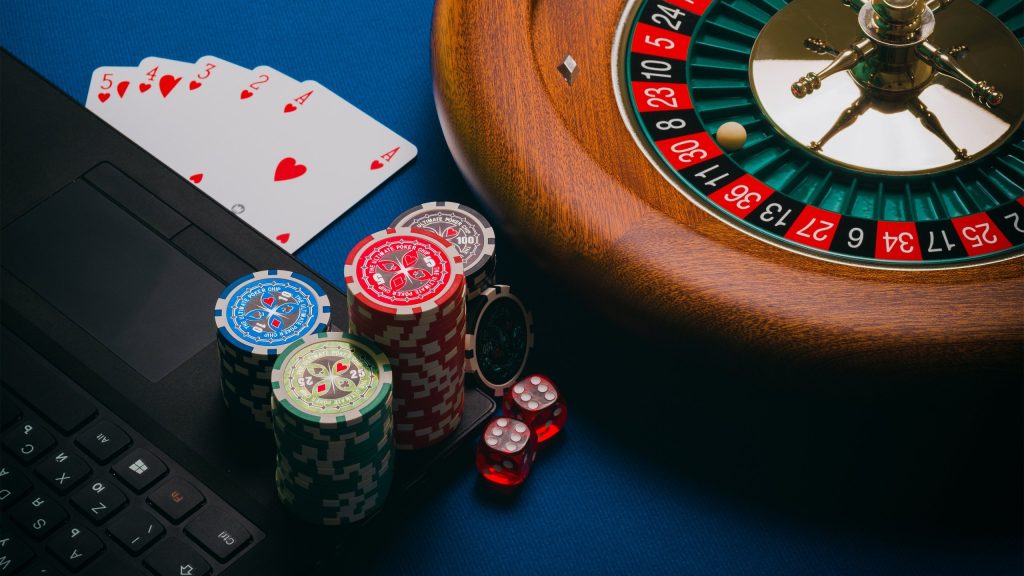
Carefully timed feedback strengthens satisfaction without overload. Reward signals arrive in measured intervals that match each person’s style. Pokies apply timing models that learn from pauses and bursts of action. This prevents fatigue while keeping interest active and looking for.
Adaptive Sound And Visual Balance
Sound layers and motion strength respond to comfort preferences detected over time. Gentle tuning prevents strain while keeping signals clear. Pokies rely on balanced feedback to maintain attention without pressure. Adaptive control protects focus and reduces distraction. This harmony between light sound and motion builds an environment that supports longer, relaxed interaction, reflecting the smooth entertainment style associated with Ausroo9 Australia.
Data Guided Engagement Methods
- Smart timing control guides rhythm using gentle predictive learning patterns
- Flexible screen tuning improves clarity through responsive visual structure
- Pattern recognition supports steady pacing using quiet adaptive logic
- Reward spacing balances stimulation with calm, measured signal delivery
- Behavior mapping refines interaction using personal preference interpretation
Careful system design shows how structured intelligence can support enjoyable play without complexity. By blending responsive pacing, visual moderation, and subtle reward control, developers can shape environments that respect attention while encouraging healthy rhythm. Thoughtful adjustment offers a clear path toward safer engaging interaction built on understanding human habits.
FAQs
How do smart systems adjust pacing during extended interactive play sessions?
They monitor rhythm and adapt timing to maintain steady, comfortable engagement.
Why does adaptive design improve attention during repeated entertainment activity?
Responsive tuning reduces strain and supports smoother focus across longer sessions.
Can personalized feedback models help maintain balanced interactive enjoyment?
Yes, guided signals encourage moderation while preserving satisfying, steady stimulation.